Contributor
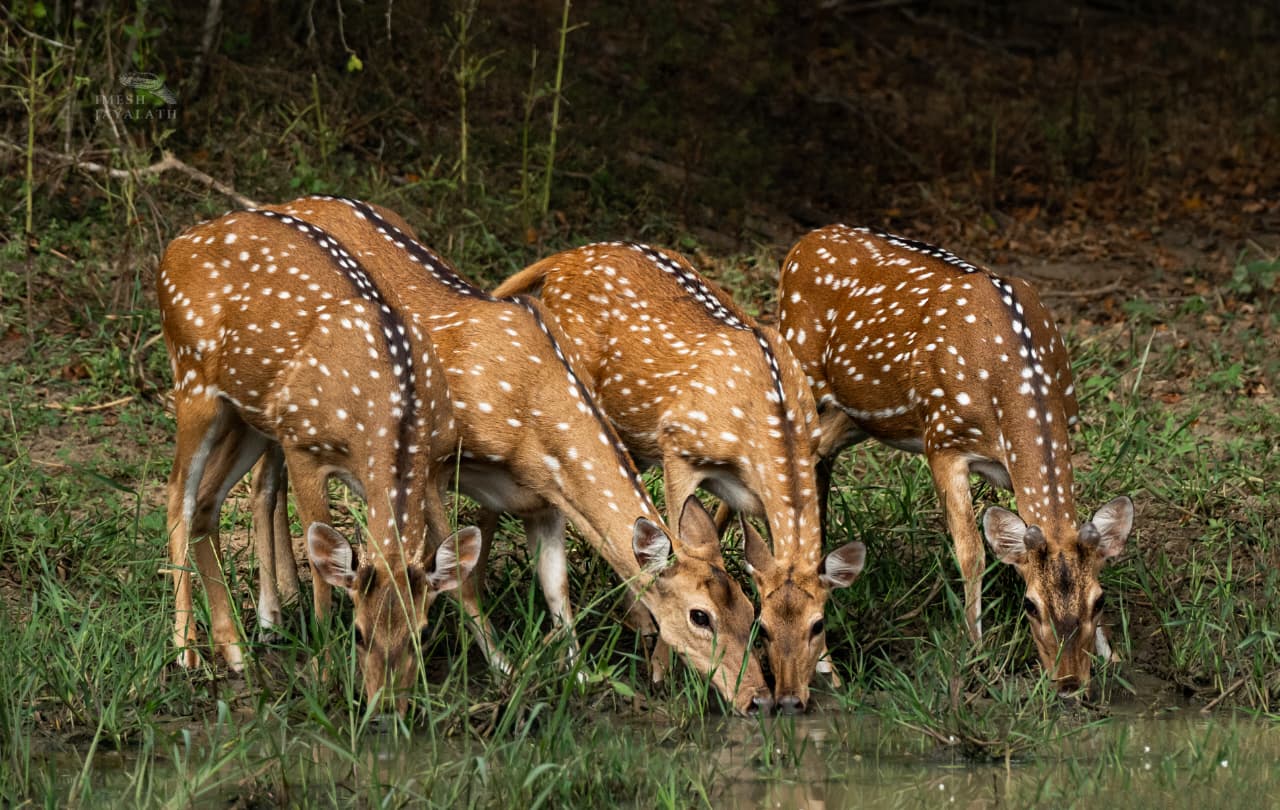
Sri Lankan axis deer (Axis axis ceylonensis)
The Sri Lankan axis deer (Axis axis ceylonensis), also known as the Ceylon spotted deer, is a subspecies of axis deer found only in Sri Lanka, although some scientists question its subspecies status. These deer are mainly active during early morning and evening, but are often seen near water sources throughout the day. They feed mostly on grasses, along with fallen fruits and leaves, and are commonly found grazing alongside animals like langurs, peafowl, wild buffalo, and sambar. They usually live in herds of 10 to 60 individuals, sometimes forming larger groups of up to 100. They are also an important prey species for predators such as the Sri Lankan leopard, and occasionally for sloth bears, jackals, and crocodiles.
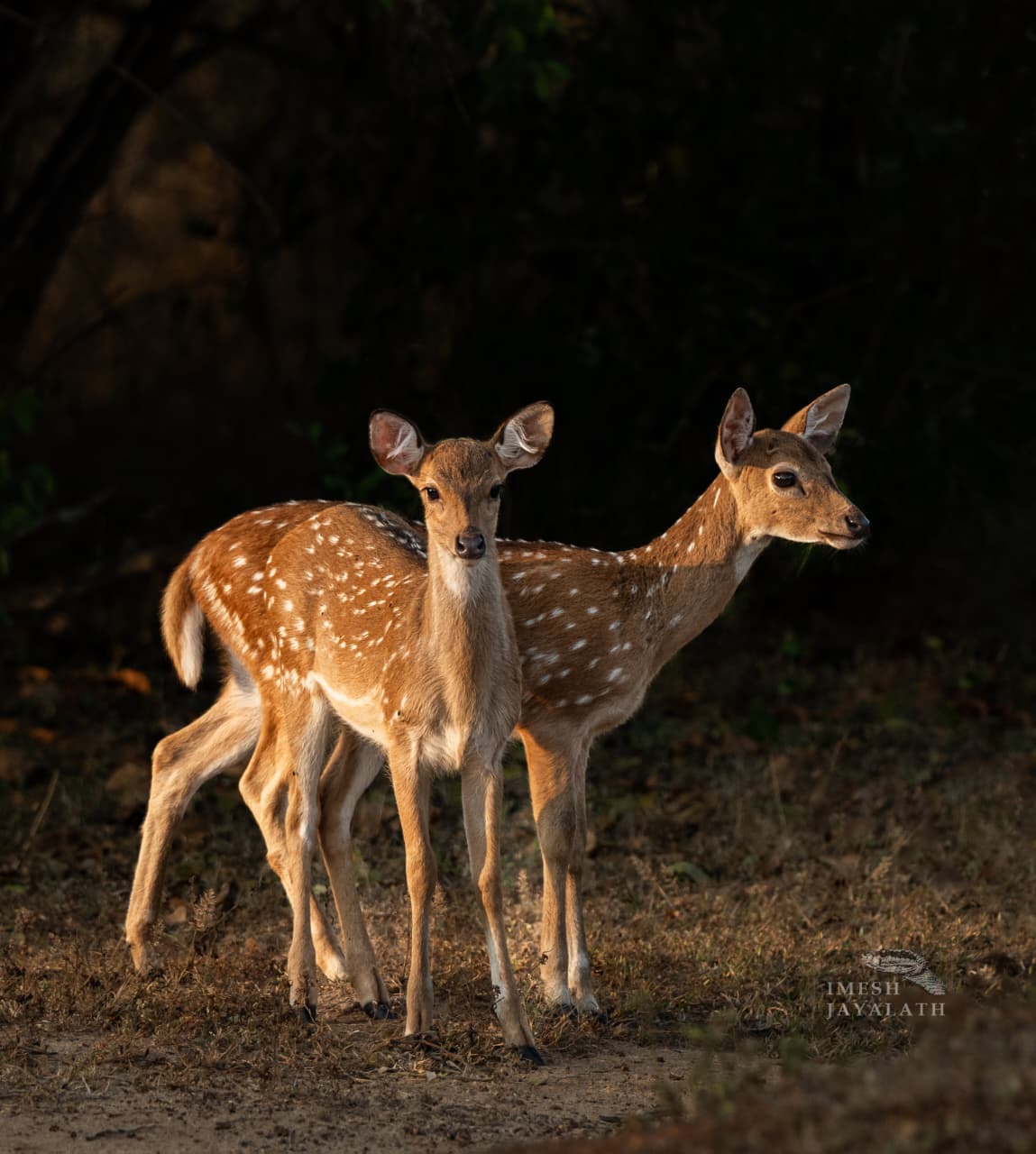
Sri Lankan axis deer (Axis axis ceylonensis)
This species mainly inhabits lowland dry forests, savannas, and shrublands, rarely occurring in dry mountainous areas. Unlike mainland populations, Sri Lankan axis deer are considered vulnerable due to threats such as hunting and habitat loss from deforestation. In the past, they were widespread across the island’s dry zone, but their numbers have declined significantly. Today, most populations are found within protected areas, where larger herds still survive, while only a few groups exist outside forests. In places like Trincomalee, they are sometimes seen near human settlements, even wandering along roads and beaches.