Contributor
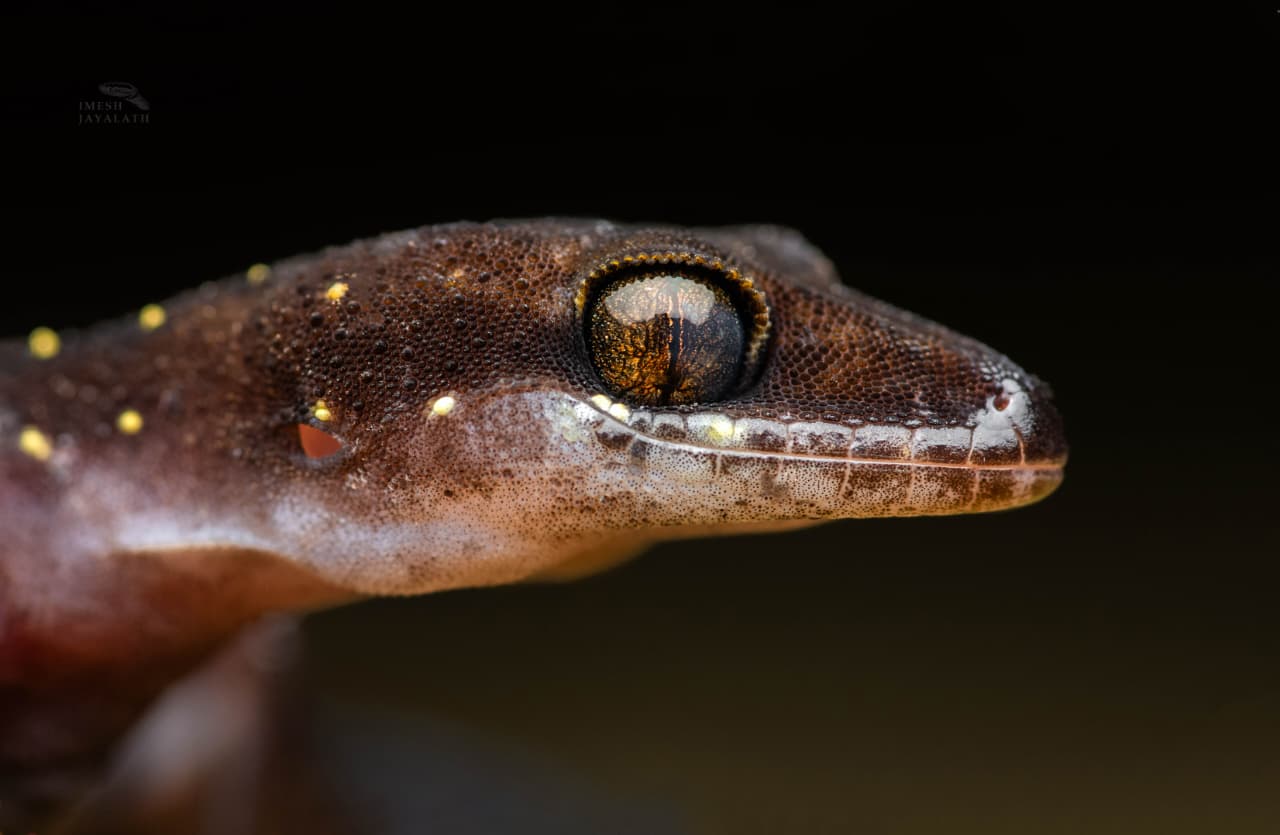
Spotted Bent-toed Gecko (Cyrtodactylus triedrus)
The Spotted Bent-toed Gecko (Cyrtodactylus triedrus), also known as the Sri Lanka Gecko, Spotted Bow-fingered Gecko, or Spotted Ground Gecko, is a small gecko species endemic to Sri Lanka. It is primarily found in the island's mid-elevation regions below about 700 m, with recorded localities including Peradeniya, Kitulgala, Gammaduwa, and the Knuckles Mountain Range. This nocturnal gecko inhabits humid forests as well as human-modified environments, where it shelters beneath decaying logs, loose bark, leaf litter, piles of timber, rock crevices, and even inside old buildings and houses. It has a slender body covered with fine granular scales mixed with larger keeled scales, short toes adapted for climbing, and a distinctive dark brown to almost black body decorated with numerous small white spots edged in brown. The underside is pale brown, while males can be identified by the presence of pre-anal and femoral pores.

Spotted Bent-toed Gecko (Cyrtodactylus triedrus)
An active nocturnal predator, the Spotted Bent-toed Gecko feeds mainly on small invertebrates such as insects, spiders, and other arthropods, helping to naturally regulate their populations. Like other members of the genus Cyrtodactylus, it is secretive during the day and emerges after dusk to forage. Breeding usually takes place between April and July, with females laying two eggs at a time in protected locations beneath logs or within rock crevices. The hatchlings, measuring about 23 mm in length, lack the conspicuous pale spots seen in adults. Although this species can tolerate some human disturbance and is occasionally encountered around rural homes, it remains dependent on healthy forest habitats. As an endemic reptile found nowhere else in the world, conserving Sri Lanka's remaining forests is essential for ensuring the long-term survival of this unique gecko.