Contributor
Russell’s viper (Daboia russelii)
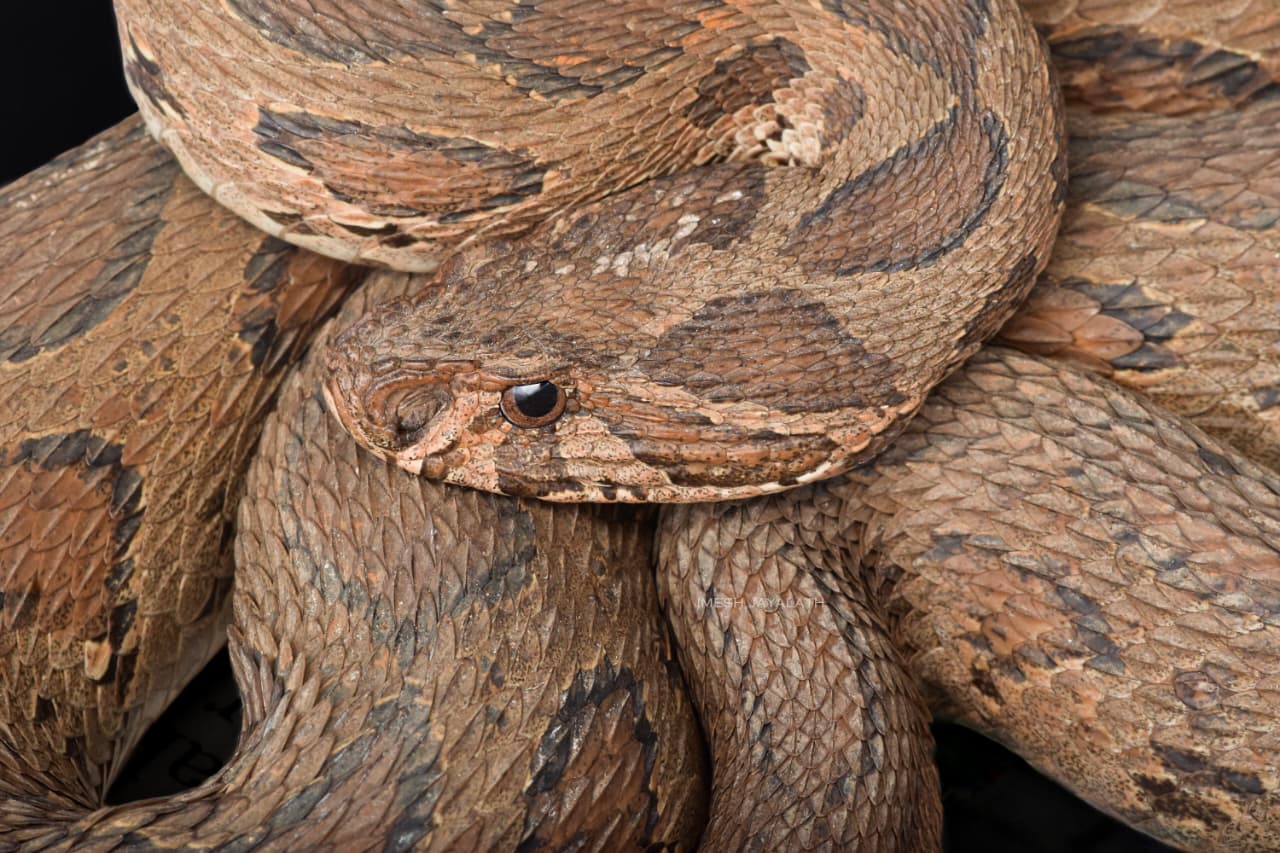
Russell’s viper (Daboia russelii) is one of South Asia’s most feared snakes and a key member of the “Big Four” responsible for the majority of serious snakebite cases in the region. Named after Patrick Russell in the late 18th century, this heavy-bodied viper is widely distributed across India, Sri Lanka, Nepal, Bangladesh, and Pakistan, with Southeast Asian populations now recognized as a separate species (Daboia siamensis). It is easily recognized by its stout build, triangular head, and striking chain-like pattern of dark oval spots edged in white along a yellowish-brown or tan body. Although often described as slow-moving, the snake can strike with explosive speed when threatened, producing a loud warning hiss before delivering a powerful bite. It thrives in open grasslands, scrub, farmlands, and even near human settlements, where rodents—its main prey—are abundant.

Russell’s viper (Daboia russelii)
The venom of Russell’s viper is extremely potent and medically significant, capable of causing severe pain, swelling, uncontrolled bleeding, tissue damage, kidney failure, and life-threatening blood clotting disorders. A single bite can inject a large quantity of venom, well within the lethal range for humans if untreated. Despite its fearsome reputation, the snake usually bites only when provoked or accidentally stepped on, especially during night hours when it is most active. Females give birth to live young, often producing large litters, which helps maintain healthy populations across its range. Beyond its danger, the venom has also found an important role in modern medicine, being used worldwide in laboratory tests to diagnose blood clotting disorders. Russell’s viper is therefore both a symbol of danger and a reminder of how closely human life and wildlife are intertwined in South Asia.