Contributor
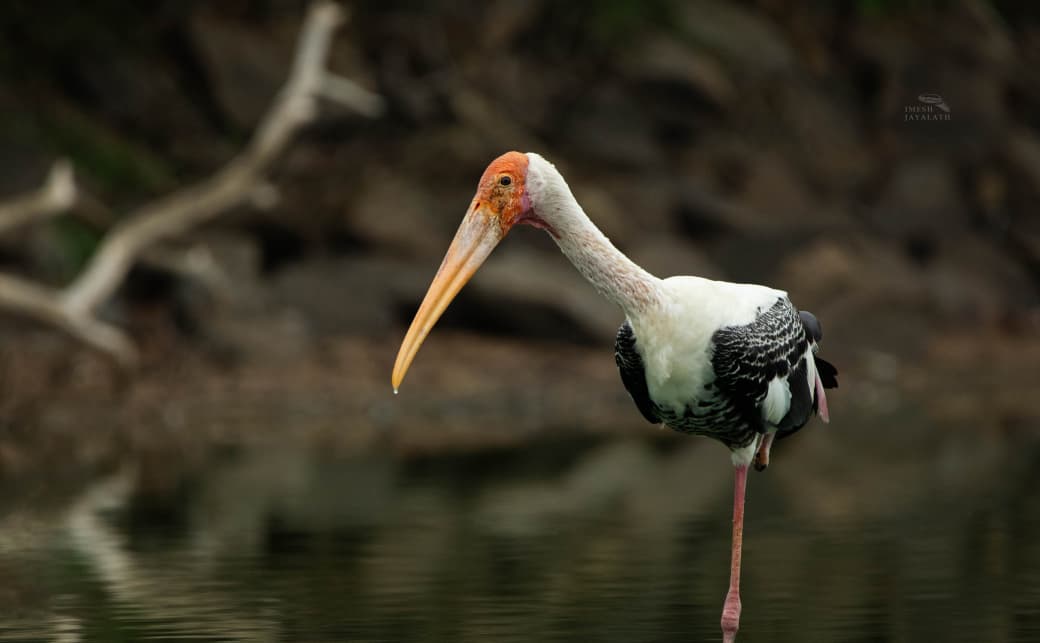
Painted Stork
The painted stork is a familiar character of Asian wetlands, easily spotted by its long yellow beak, bare reddish head, and the soft pink feathers that give it its name. It spends most of its day slowly walking through shallow lakes, rice fields, and canals, sweeping its half-open beak through the water like a blind fisherman who trusts his hands more than his eyes. When a small fish or frog touches the inside of the beak, it snaps shut instantly. Flocks often move together, stirring the water with their feet to flush hidden prey. These birds are strong fliers too, rising on warm air currents with their necks stretched out, silently circling over the plains south of the Himalayas and across India, Sri Lanka, and Southeast Asia. Though mostly resident, young birds may wander far, and adults shift places when the weather or food changes.
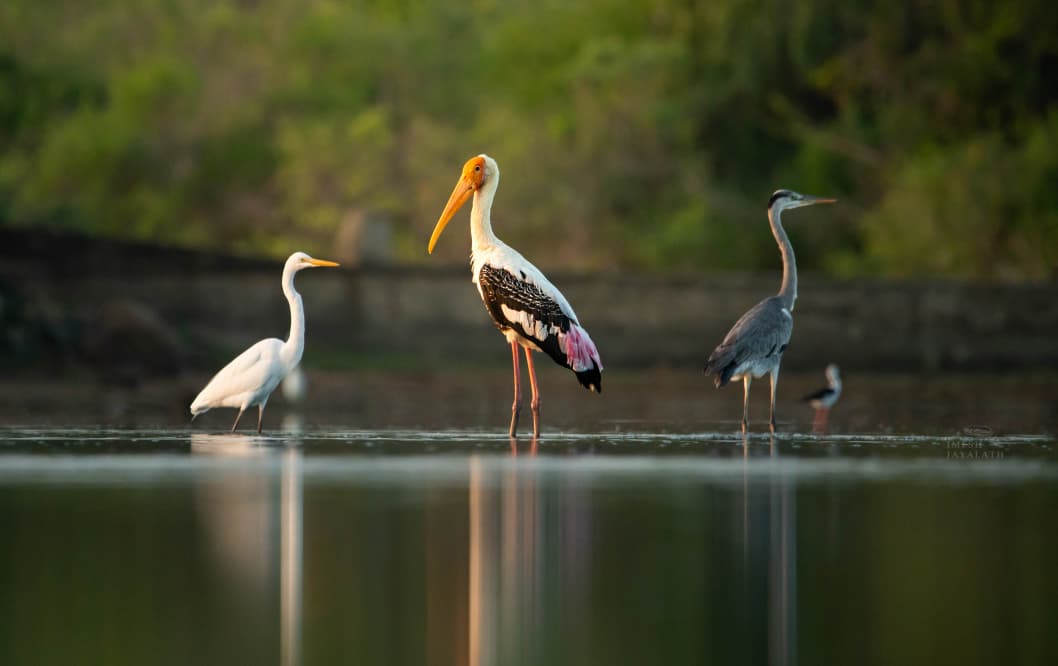
Painted Stork
Their breeding season is one of the most lively scenes in the wetland world. Painted storks nest in big colonies, often on tall trees near lakes or even inside villages that have protected them for generations. When the monsoon ends, hundreds of nests appear, mixed with herons, pelicans, and other waterbirds. Both parents take turns incubating the eggs, shading the chicks with open wings during the afternoon heat, and cooling themselves by letting liquid drip down their legs. The young start off white and fluffy, then slowly turn brown as they grow. The parents feed them fish by regurgitating it, and the chicks eat almost half a kilo of food a day. Colonies rise and fall each year—sometimes threatened by predators like crows and eagles, sometimes thriving when water is plentiful. Though the species survives well in India and Sri Lanka, it has struggled in places like Pakistan and Thailand. Still, in many villages where people and painted storks live side by side, the birds continue to return every year, filling the treetops with colour, noise, and new life.