Contributor
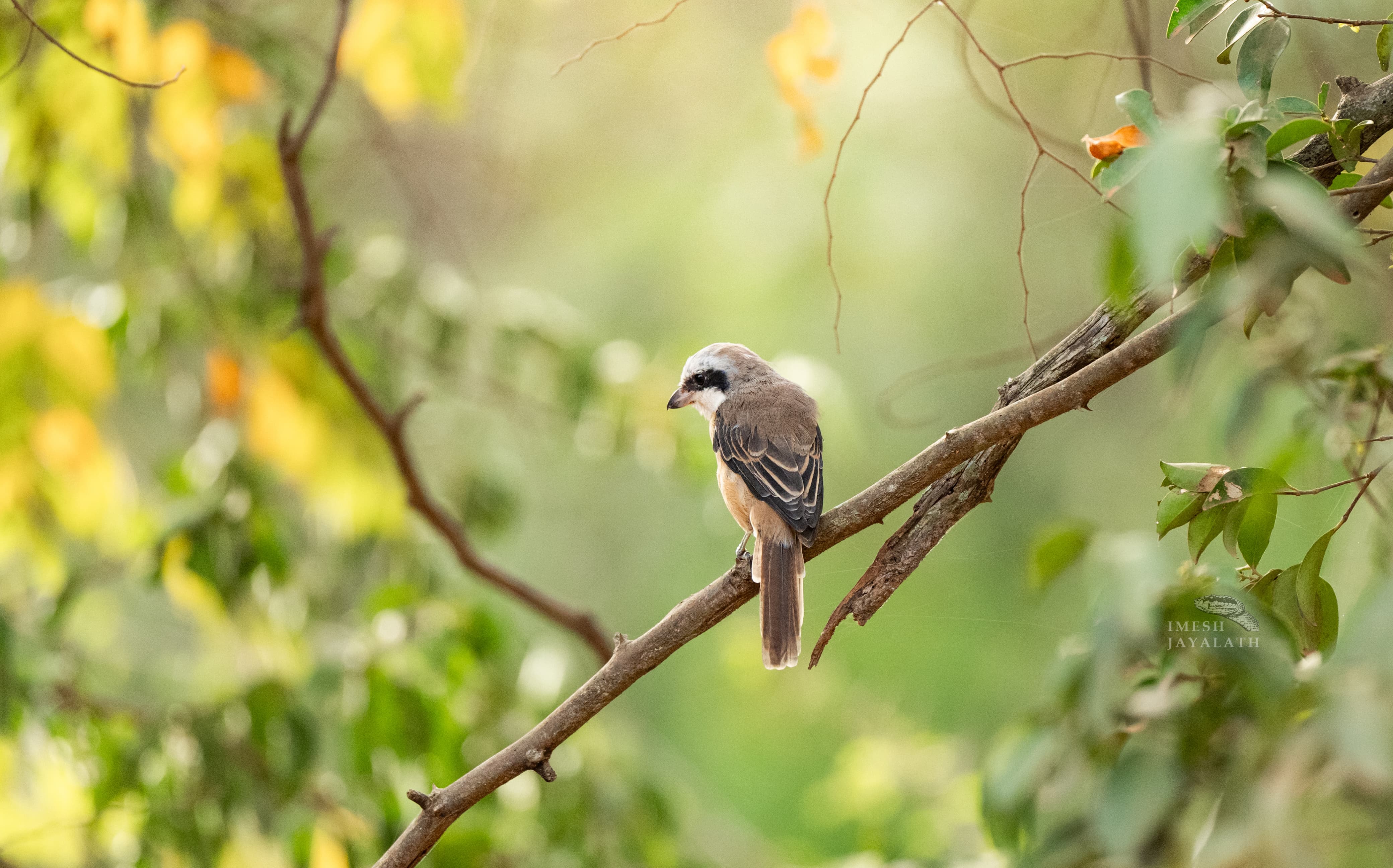
Brown Shrike (Lanius cristatus)
The Brown Shrike (Lanius cristatus) is a widespread migratory passerine of the shrike family Laniidae, distributed mainly across Asia and closely related to the Red-backed Shrike (L. collurio) and Isabelline Shrike (L. isabellinus). The genus name Lanius is derived from the Latin word for “butcher”, reflecting the characteristic feeding behaviour of shrikes, which often impale prey on thorns, while the specific name cristatus is Latin for “crested” or “plumed”; the English word “shrike” derives from the Old English scríc, meaning “shriek”, referring to the bird’s distinctive call. The species was illustrated and described by English naturalist George Edwards in 1747 from a specimen sent from Bengal, and Carl Linnaeus formally described it as Lanius cristatus in the tenth edition of Systema Naturae in 1758. Four subspecies are generally recognised: the nominate L. c. cristatus, L. c. confusus, L. c. lucionensis and L. c. superciliosus, which differ subtly in plumage and breeding and wintering distributions. The Brown Shrike is readily recognised by its predominantly brown upperparts, rounded tail, creamy underparts with rufous flanks and belly, brown wings without the white wing “mirror” seen in some other shrikes, and a characteristic dark or blackish mask extending through the eye, often accompanied by a pale or white supercilium; the mask may become paler in winter. Females generally show finer scalloping on the underparts and a less strongly defined, dark-brown mask than males, although sex can be difficult to determine visually in the field. Some subspecies show distinctive features: lucionensis generally has a grey crown contrasting with its brown upperparts and a more rufous rump, while superciliosus has a broad white supercilium, richer reddish crown, and a redder tail tipped with white. The species breeds mainly in temperate northern and eastern Asia, occupying habitats ranging from taiga and woodland to scrub and semi-desert, and migrates southward to spend the winter in tropical and subtropical Asia. The nominate population breeds from Mongolia and Siberia and winters through South Asia, Myanmar and the Malay Peninsula; superciliosus breeds in Sakhalin, the Kuril Islands and Japan and winters farther south in regions including Hainan, Sumatra, Java and the Sunda Islands, while lucionensis breeds in eastern China and Korea and winters mainly in Taiwan and the Philippines, with some individuals reaching the Andaman Islands and peninsular India. During migration and winter, Brown Shrikes favour open scrub, grassland edges, agricultural areas and other relatively open habitats where they frequently perch conspicuously on the tops of bushes, shrubs or other elevated points while scanning for prey. They are primarily insectivorous, feeding especially on insects such as Lepidoptera, but may also capture small birds, lizards and other small vertebrates; like other shrikes, they may impale prey on thorns or other sharp projections, creating food stores or “larders”. They typically hunt from a perch, making rapid flights down toward the ground to seize prey before returning to a perch. Brown Shrikes are strongly migratory and show remarkable fidelity to their wintering territories, with ringing studies indicating that individuals often return to the same areas in successive years. They establish winter territories soon after arriving, and early-arriving birds may gain an advantage in securing favourable territories. In India, wintering birds generally arrive around August and September and depart around April, undergoing a premigratory moult during the winter period. Their winter vocalisations are relatively faint and may include mimicry of other birds, while their loud chattering or rattling calls are particularly distinctive. Breeding generally occurs in late May or June, when they construct nests in trees or bushes and typically lay between two and six eggs. Because populations of Brown, Red-backed and Isabelline Shrikes overlap in parts of Central Asia, identification and taxonomy can sometimes be complicated, and certain forms previously treated as Brown Shrike subspecies have subsequently been reassigned to other species. Although primarily an Asian species, the Brown Shrike is also a rare vagrant to Europe and has occasionally been recorded in North America, including the United States and Canada.