Contributor
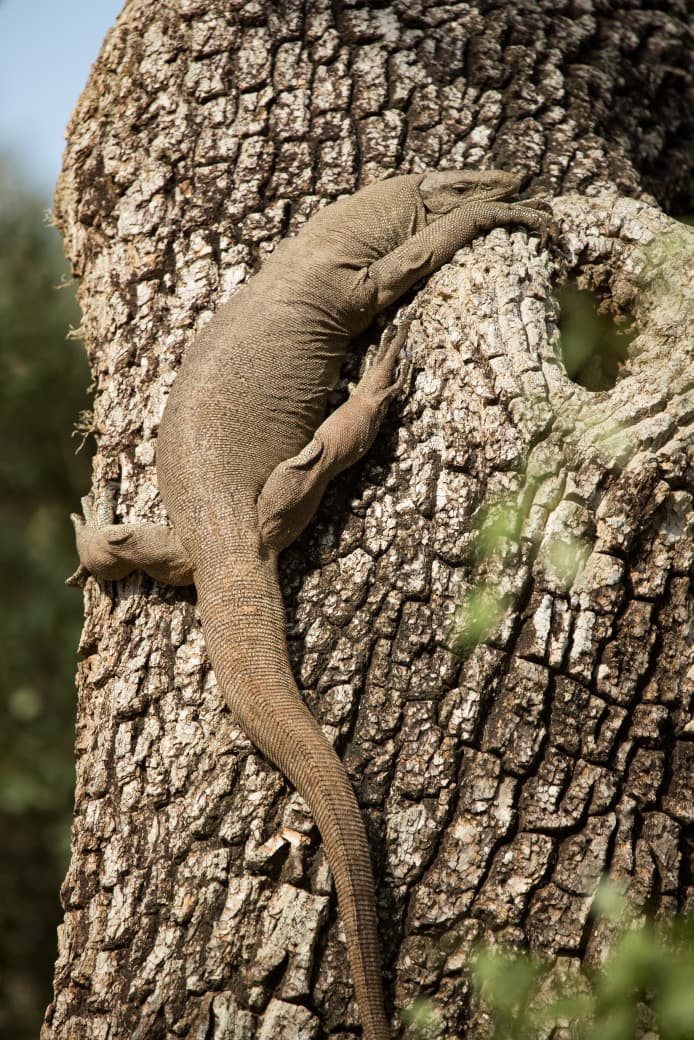
Bengal Monitor (Varanus bengalensis)
The Bengal monitor, locally known as the land monitor or Thalagoya, is one of the largest lizards found in Sri Lanka and across much of South and Southeast Asia. Adults can grow up to 1.75 m in length, with males generally larger than females. Juveniles are more brightly patterned with yellow markings and dark bands, while adults are usually brown or grey with a speckled appearance. This species occupies a wide range of habitats including forests, scrublands, agricultural areas, wetlands, and even human-modified landscapes. Bengal monitors are mainly solitary and diurnal, spending much of the day basking, foraging, or sheltering in burrows, rock crevices, tree hollows, and abandoned termite mounds. Despite their intimidating appearance, they are generally shy and avoid human contact whenever possible.
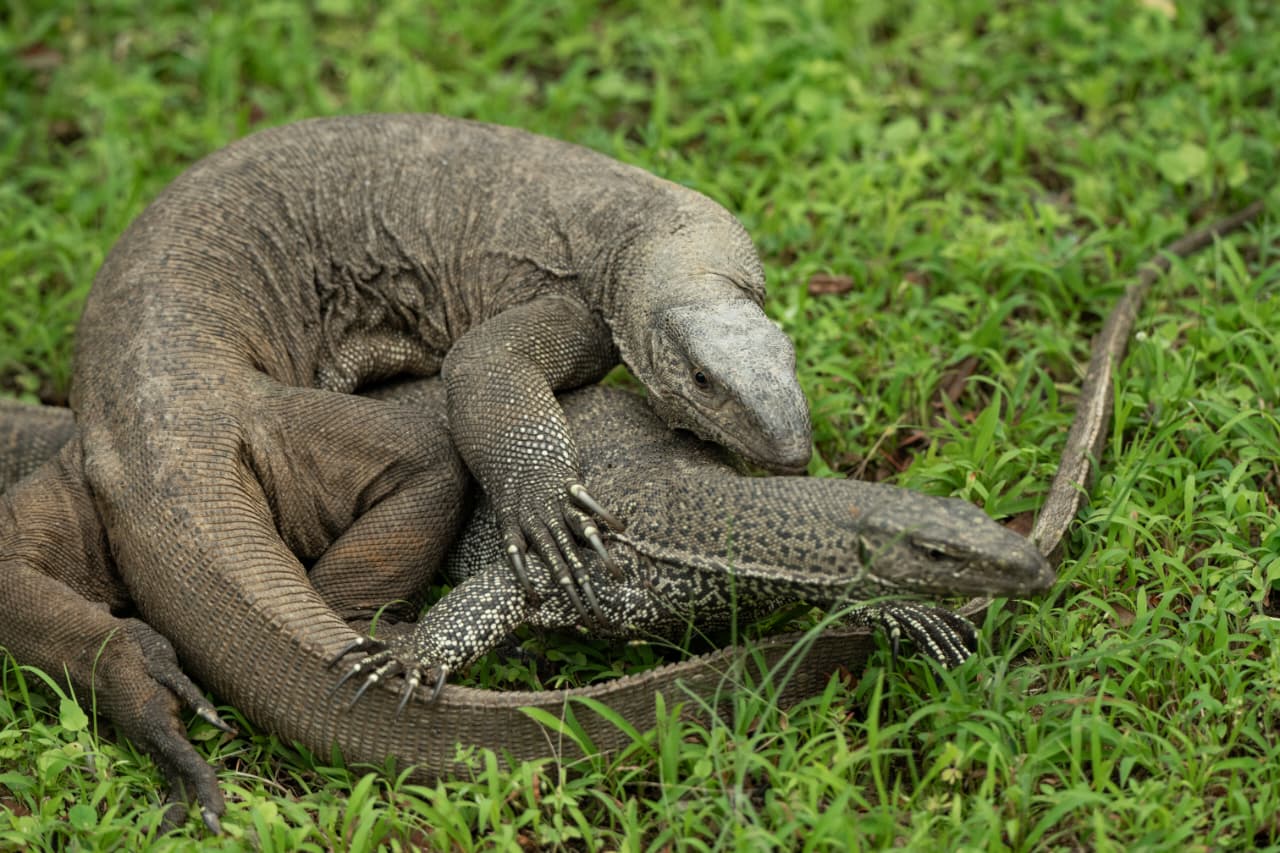
Bengal Monitor (Varanus bengalensis)
An opportunistic predator and scavenger, the Bengal monitor feeds on a variety of prey including insects, crabs, frogs, fish, birds, eggs, rodents, snakes, and carrion. It is an excellent climber, swimmer, and runner, allowing it to exploit a wide range of food sources. Breeding usually occurs between June and September, with females laying around 20 eggs in burrows or termite mounds. In Sri Lanka, the species is widely distributed and is generally regarded as harmless. However, it faces threats from habitat loss, hunting, road mortality, and illegal wildlife trade. Although currently listed as Least Concern, local populations are declining in some areas, highlighting the importance of continued conservation efforts for this ecologically important reptile.